
Whether you’re a homeowner or a builder, you face the same challenges. You want to create a structure with lasting “wow” factor—but it also has to be tough enough to withstand today’s realities of increasingly extreme weather. Properly installed, insulated concrete forms (ICFs) demonstrate superior performance when exposed to flood or high winds.
Read more: Tornado-Resilient Construction with ICF
“Resilience” is an integrative strategy that promotes sustainable building decisions that encompass disaster- mitigation, durability and environmental protection. While energy efficiency has been a huge motivator for selecting ICF materials to date, a building’s disaster mitigation capacities and durability are just as important as any LEED-certified standard in achieving a sustainable design. In fact, all three priorities are so interlinked that a decision made in one sustainability arena positively impacts the others. For instance, making the decision to select a robust system like insulated concrete forms heightens a building’s durability and longevity in the face of normal wear and tear.
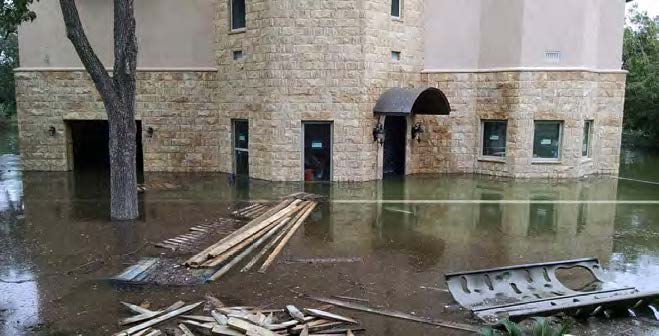
If disaster does strike, these durable qualities minimize structural damage, which in turn conserves energy and reduces the need for additional natural resources during the recovery phase. Adopting a resilient building strategy is not just the responsible thing to do, it’s a sustainable investment which will pay for itself many times over during the short-term build and long-term occupancy phases of a project.
Read more: 2019 Resilient Housing e-Book